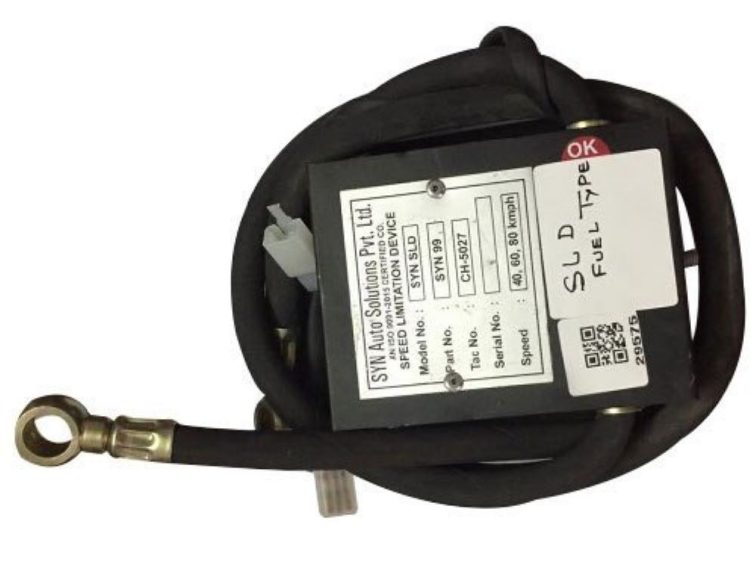

Fleet safety is no longer just about defensive driving or regular maintenance. Today, technology plays a huge role in keeping our roads safer and helping companies stay compliant. One of the key tools used by fleet operators across Canada is speed limiter technology.
As rules around vehicle safety and emissions tighten, many commercial operators are adopting advanced Canadian fleet speed limiter technology to ensure compliance, protect their drivers, and control fuel costs.
Let’s break down what this technology really is, how it works, and why it’s becoming essential for fleets across the country.
What Is a Speed Limiter and How Does It Work?
A speed limiter is an onboard device or software that sets a maximum speed a vehicle can travel. Once installed, the vehicle won’t go faster than the pre-set limit, no matter how hard the driver presses the gas pedal.
Modern systems are built into the vehicle’s ECM (Engine Control Module). It communicates with the throttle to reduce power if the vehicle tries to exceed the cap. This isn’t the same as cruise control — it’s a governor, not a helper.
Some fleet-grade solutions also include telematics integration, allowing fleet managers to remotely set speed parameters, monitor driver behavior, and receive alerts if tampering is detected.
Canadian Regulations on Speed Limiters
Canada has taken firm steps to enforce speed-limiting technology, especially in provinces like Ontario and Quebec. The goal? Reduce fatal highway crashes, lower emissions, and encourage responsible fleet operations.
- Ontario Regulation 396/08 mandates speed limiters for most commercial trucks over 11,794 kg GVWR. Trucks must be capped at 105 km/h.
- Quebec has adopted similar legislation.
- Federal-level policies are also being explored to make speed limiters mandatory for all heavy trucks across Canada.
Enforcement happens during roadside inspections and CVSA (Commercial Vehicle Safety Alliance) checks. Failing to comply can lead to fines, grounding of the vehicle, or out-of-service violations.
Benefits of Speed Limiters for Fleets
Speed limiters aren’t just about ticking a compliance box. They bring real-world benefits that impact your bottom line and fleet reputation:
1. Improved Road Safety
Fewer accidents mean fewer claims, less downtime, and better driver retention. Speed limiters help reduce high-speed collisions, especially in long-haul trucking.
2. Fuel Efficiency
Driving over 100 km/h drastically increases fuel consumption. A speed limiter cuts down wasteful fuel burn, improving overall kilometers-per-litre (KPL) performance.
3. Lower Insurance Premiums
Safer fleets can negotiate better rates with insurers. Risk scoring often includes driving behavior, and speed control tech makes a good case.
4. Reduced Emissions
With the climate impact of diesel engines under scrutiny, speed limiters help reduce carbon output. This supports ESG (Environmental, Social, Governance) goals and aligns with Canada’s net-zero policies.
Challenges and Concerns
While the benefits are clear, speed limiter adoption doesn’t come without friction.
- Driver Pushback: Some drivers feel restricted and worry about being unable to match traffic flow, especially in rural areas.
- Tampering Risks: Unscrupulous operators may disable or bypass the limiter using illegal tools or software hacks.
- Compatibility Issues: Older trucks without ECMs may not support modern speed limiter systems.
That’s why it’s crucial to choose a solution that’s tamper-resistant and comes with monitoring tools to detect unauthorized changes.
Speed Limiter Technology Providers in Canada
Not all speed limiter solutions are created equal. When evaluating a provider, look for:
- Compliance with provincial and federal mandates.
- Telematics support and remote configurability.
- Installation support and ongoing software updates.
- Tamper-proof design and audit logs.
Companies like Resolute Dynamics offer advanced solutions built specifically for Canadian road laws and conditions.
How to Implement Speed Limiters in Your Fleet
Getting started with speed limiters is easier than you might think. Here’s a basic roadmap:
- Audit Your Fleet
Identify which vehicles fall under speed limiter mandates and check their ECM compatibility. - Select the Right Technology
Choose a provider that aligns with your fleet size, routes, and regulatory needs. - Install and Configure
Installation can be done by certified mechanics or through mobile service units. Set your speed cap as per provincial rules. - Train Drivers and Fleet Managers
Let your team know why this matters. Offer practical training on what to expect and how to operate within the new limits. - Monitor and Maintain
Use dashboard tools to track performance, detect tampering, and stay compliant.
FAQs About Canadian Fleet Speed Limiter Technology
Q: Can speed limiters be overridden or bypassed?
Yes, but it’s illegal. Enforcement officers can spot signs of tampering. Modern solutions include anti-tamper features.
Q: Is it mandatory across all provinces?
Not yet. But Ontario and Quebec have strict rules, and federal regulation is in progress.
Q: What speed are limiters usually set to?
Typically 105 km/h (about 65 mph), which aligns with most highway safety goals.
Q: Will it affect driver productivity?
Possibly, but most deliveries are still achievable with proper planning. The safety trade-off is usually worth it.
Final Thoughts
Speed limiter technology is no longer optional for many Canadian fleets — it’s a smart, often required, step toward safer and more sustainable operations. Whether you manage a small regional fleet or a nationwide logistics network, adopting compliant and reliable speed-limiting systems will give you peace of mind, lower costs, and stronger compliance.
Make sure you stay ahead of the curve. The road to safer fleet management starts with controlling your speed.